
What is a facsimile?

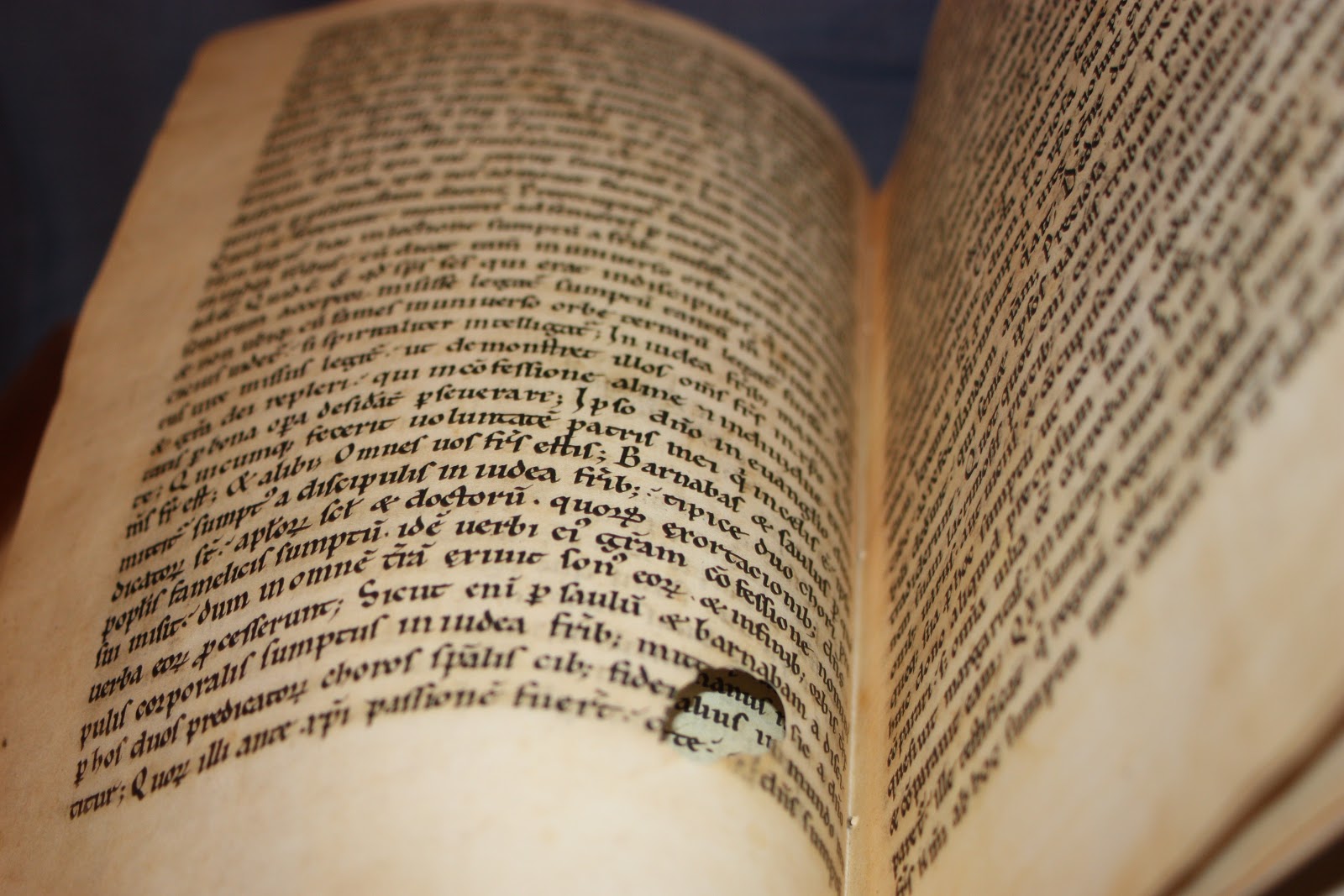

According to the RAE:
facsimile.
According to Wikipedia:
A facsimile, also called facsimile, A facsimile is a very precise, almost perfect, copy or reproduction of a document, usually old and of great value, such as a book, manuscript, map, or freehand drawing. The term comes from the Latin "fac simile," meaning "likeness." To achieve these high-quality reproductions, photographic and screen-printing techniques are most commonly used, allowing for the faithful imitation of the colors, size, imperfections, and nuances of the original document. This technique is not usually applied to three-dimensional objects or paintings with relief, such as oil paintings.
Facsimiles are often used as a security measure in museums and libraries for This allows users to access an exact copy of the original document without the risk of theft or deterioration over time. Most national libraries make facsimiles of their most valuable documents available to the public, reserving the originals for users who expressly request authorization.
According to Franco Cosimo Panini, Italian publisher:
A facsimile book is a reproduction of a specific volume, made with the utmost fidelity in each and every detail. Unlike anastatic copies, facsimiles reproduce not only the text but also all the physical properties of the book as an object, such as page dimensions, paper weight, the color scheme of the decorations, the binding materials, and precious elements, to the point of achieving an exact replica of the original book as it appeared at the time of the photographic campaign. This also entails reproducing in the copy all the book's defects (woodworm, traces of dampness, signs of use, impurities, missing sections), which, in effect, represent traces of its history. The volume is bound by hand, using materials similar to those of the original to create a replica of the original. Only when all these requirements are met can one speak of a facsimile edition and not of other forms of reproduction of an original, such as an anastatic edition.
In almost all cases the reproduced books are handwritten works, mainly those decorated such as medieval or Renaissance illuminated manuscripts.
Over time, certain publishing practices have become established. The facsimile is sold with a volume of commentaries, containing historical and artistic studies of the reproduced volume and, sometimes, a translation of the book's text. The publisher also commits to guaranteeing not only the integrity of the facsimile and its fidelity to the original but also certifies a limited print run (fewer than one thousand copies, unique and not subject to reprinting) and the number of copies of each volume.
Craftsmanship and cutting-edge techniques for book publishing by Manuel Moleiro:
The stages of creating a "near-original" combine craftsmanship, the practices used by copyists and bookbinders of the time, with other techniques that come from new technologies.
Photography: Images of the manuscript are captured using a high-precision camera. The snapshots are printed on extremely sensitive photographic plates, allowing for the recognition of all the color nuances present in the pages of the original book. Image capture can also be done with digital cameras to avoid the subsequent processing.
Pre-press: The printing plates are placed on a cylindrical scanner that identifies the image colors and synthesizes them into the four primary colors (magenta, cyan, yellow, and black). In this process, the first color adjustments are made using a computer that adapts the color nuances to pre-established parameters. The first print, as throughout the entire production process, is made on handmade paper that replicates the texture of parchment. Proofreading: The printed result is compared with the original codex on a light table at 5,500 Kelvin.
Printing: The final photoliths that most closely resemble the original pigments are selected. The pages are arranged in booklets of eight, 16, or more pages.
Application of metals: Screen printing and stamping techniques are used to illuminate the codex illustrations with precious metals. The miniatures of ancient manuscripts were often decorated with liquid gold, gold pigments, gold leaf, and burnished gold. To reproduce these ornaments, a copper plate is used, on which the areas where the metals have been inlaid are reproduced in relief. A thin sheet of gold or silver is applied between the plate and the page, which, when subjected to pressure and heat, adheres to the paper.
Binding: This process is entirely artisanal, just as it was in the Middle Ages. The hand-folded quires are arranged, secured in the printing press, and laid out on a loom where they are sewn by hand. The binding of the "near-original" must be identical to that of the codex.
This is how it was made facsimile of the Codex Calixtinus.
Sources:
http://es.wikipedia.org/wiki/Facs%C3%ADmil
http://www.moleiro.com/nuevaweb/prensa/2007_03_11_Infoempleo.pdf
http://grandiopere.fcp.it/facsimili/es/che-cosa-e-un-facsimile-4/

About author

Related posts
The Codex Calixtinus is a wonderful testimony to the political, social, cultural, religious, musical and intellectual structure of the medieval world. "The Medieval Pilgrim's Guide", which... Continue reading
Add comment
You must be logged in to post a comment.