
How the Apostle James arrived in Spain (Codex Calixtinus)
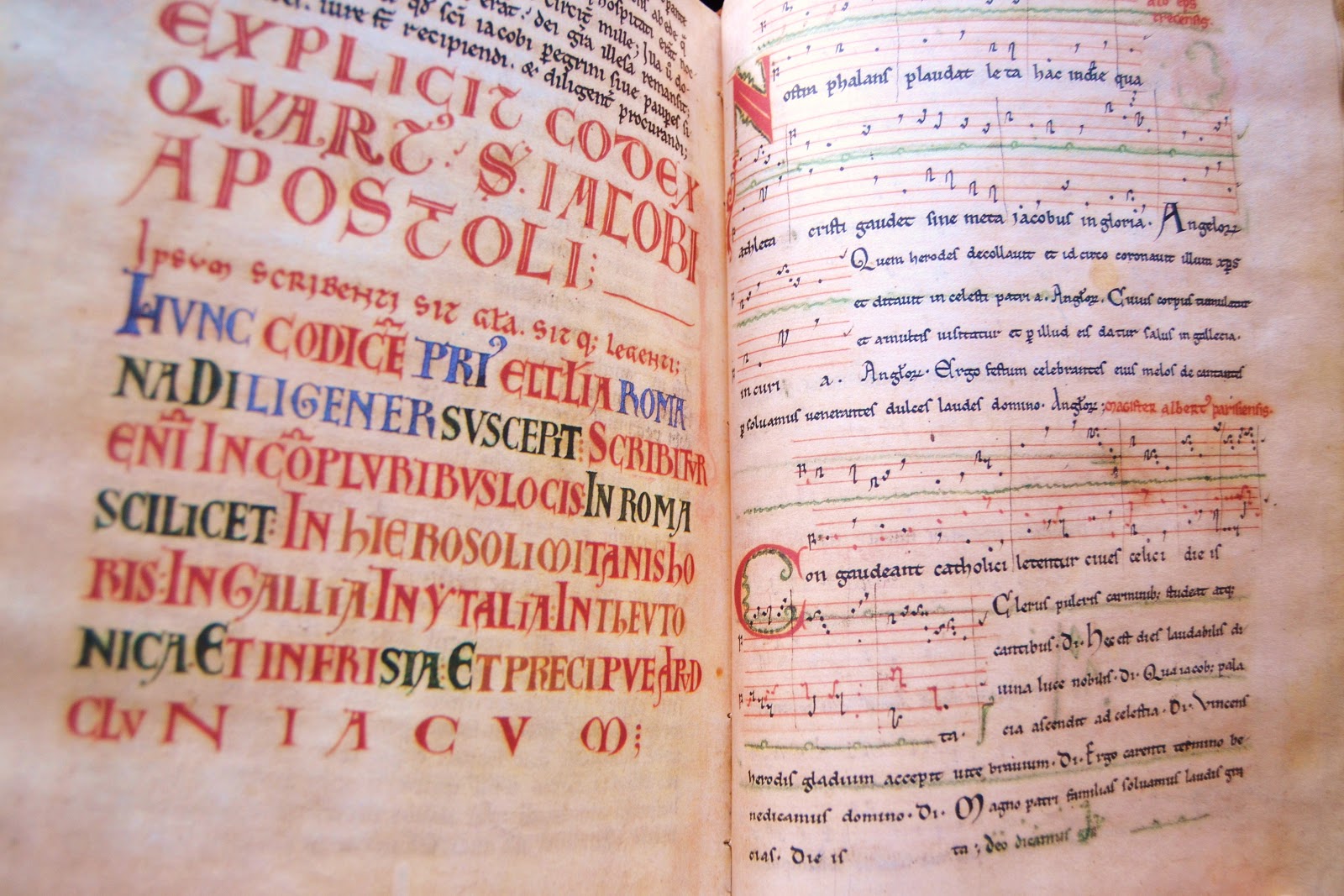
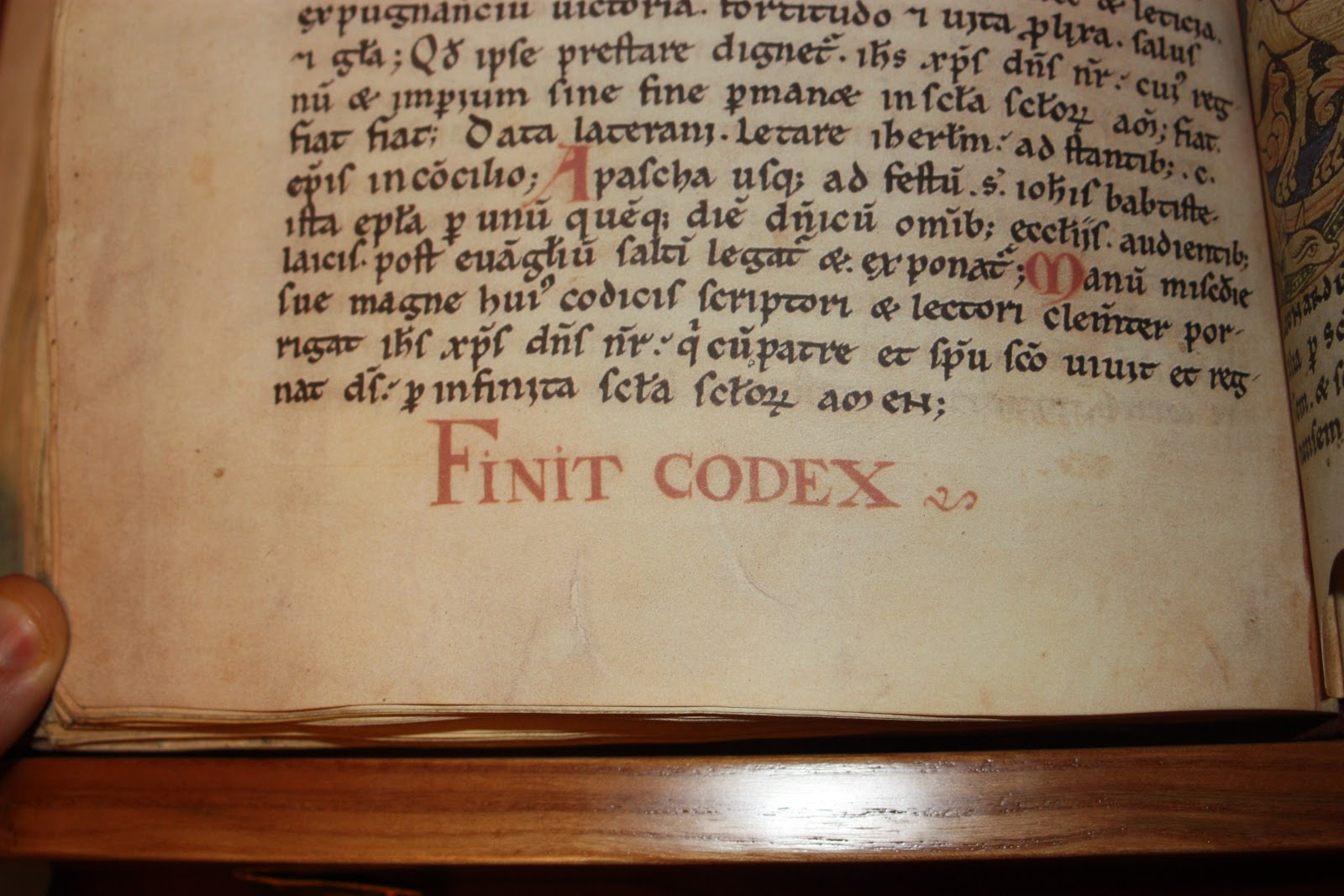
Everyone knows that the Apostle James He is buried in the Cathedral of Santiago de Compostela, or at least that is what Christian tradition tells us. This is a fact that has never been verified, since no scientific studies have been carried out on the remains that lie in the crypt. Historians suggest more than one hypothesis, since they consider it unlikely that the Apostle's body traveled from Jerusalem to Spain carried by his disciples. Among these historians, Claudio Sánchez Albornoz, a Christian scholar, stands out. In "At the Dawn of the Jacobean Cult," in Compostellanum 16 (1971) pp. 37-71 questioned the arrival of the Saint's body to the peninsula and rather leaned towards myth and legend.
Let us remember that the Apostle had returned to Jerusalem to attend the Dormition of the Virgin Mary, warned by herself, in an appearance that was brought about by Christ. Once there, Herod himself would have ordered his martyrdom and death, cutting off his head.
In the current Santiago de Compostela A Celtic settlement existed in that area from 250 AD, and archaeological remains of these people have been found there, as well as those of the Suebi, Visigoths, and even Muslims in the 8th century. Therefore, the remains could belong to any of these peoples.
Returning to the subject of the tomb, it was ordered to be built by Alfonso II the Chaste, above the cemetery where Pelayo, a Christian hermit, had seen supernatural lights illuminating it. The first church built on the site of the original chapel dated from 829.
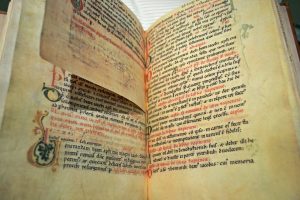
Book III of Codex Calixtinus o Codex Calixtinus It recounts the translation of the Apostle's body from the Holy Land to Spain. His disciples secretly obtained the body, transferred it to a boat specially prepared for them, and after a seven-day journey, arrived in Galicia, specifically at the port of Iria. From there, they transported it to the lands of a local noblewoman who, after several trials, agreed to allow the Apostle's remains to be buried in what was then called... sacred mountain.
Are you interested in the Codex Calixtinus? See the facsimile edition of the Iacobus Codex Calixtinus and the Spanish translation of Book V in the Club store.

About author

Related posts
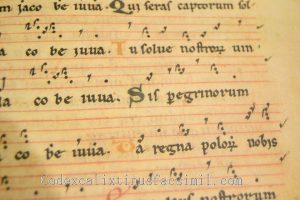
POLYPHONY IN THE CALIXTINO CODEX EVA ESTEVE ROLDÁN Higher Conservatory of Music of Zaragoza INTRODUCTION We will try to delve into the Middle Ages and during a... Continue reading
The Codex Calixtinus is a wonderful testimony to the political, social, cultural, religious, musical and intellectual structure of the medieval world. "The Medieval Pilgrim's Guide", which... Continue reading
Add comment
You must be logged in to post a comment.