
Aymeric Picaud, the first travel guide in history.

Aymeric Picaud He is one of the historical figures most unfairly treated by the history of the Camino de Santiago. This 12th-century French monk, born in Poitou, was the personal secretary of Pope Callixtus II. He carried out andThe Camino de Santiago. This adventure in those times was full of adventures and dangers; our protagonist was assaulted by some individuals from the area, who They killed their horses, a crucial fact for the image of the peoples of the Way, referring to their evil deeds in different passages of Book V. The “portazgos” were another of the recurring complaints that he wrote in the book of pilgrimages, these portazgos were the payments that travelers had to make for rights of passage on roads, bridges (pilgrims were exempt from payment, but the greed of the portazgos on many occasions meant that they were not able to differentiate between them and the rich merchants, so they charged everyone who tried to pass; Aymeric thought that the nobles of the area took advantage of the situation).
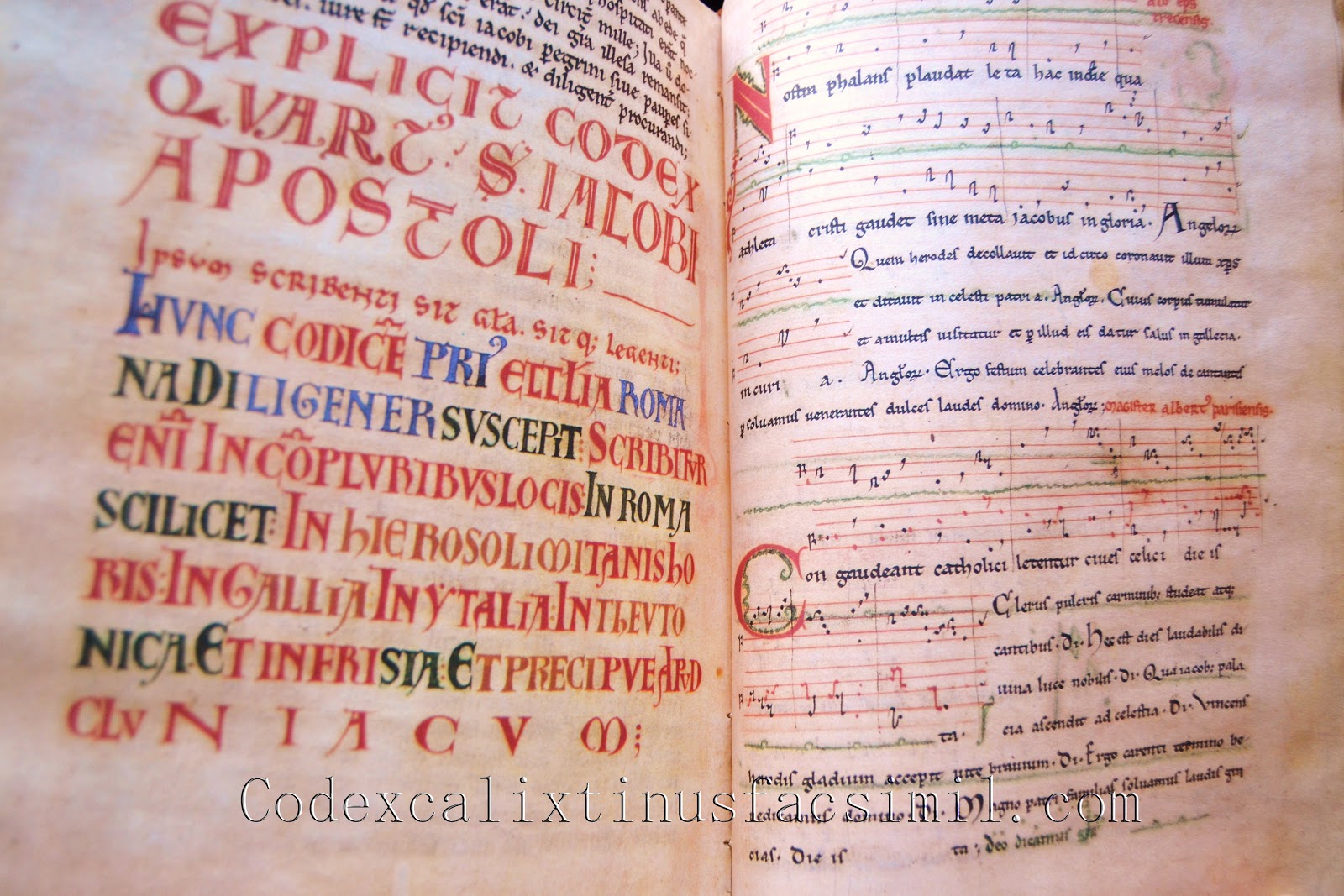
Our protagonist wrote a valuable work: The first guide to the Camino de Santiago, we even dare to say the first travel guide in Europe, included in book V of the Codex Calixtinus, also called Liber Sancti Jacobi, preserved until a few months ago in the Cathedral of Santiago.
The monk describes in great detail geographical and ethnographic features, customs of the time, and numerous anecdotes, warnings of dangers, etc. Picaud organized the itinerary, along the "French Way," into thirteen clearly defined stages, each of which had to be completed over several days at a rate of about 35 kilometers per day on foot, or almost double that if the journey was made on horseback. He indicated the distances between towns, the sanctuaries and monuments along the route, and included observations on gastronomy, the potability of the water, the character of the people, and the customs of the villages.
A truly comprehensive, accurate, and up-to-date guide for its time. To promote the shrine of Santiago de Compostela, it includes a list of illnesses cured by Saint James. The guide also recounts the discovery of the apostle. The monks of Cluny attributed this codex to Pope Callixtus II, but as we've discussed in other posts, the reality is that to promote the work, the authorship was often changed to make it appear to have been written by a renowned authority, thus lending it greater importance. It seems that Aymeric Picaud brought the Codex Calixtinus to Santiago around 1140, accompanied by his inseparable traveling companion. Girberga of Flanders and that the manuscript is currently attributed to shared authorship.
Are you interested in the Codex Calixtinus? See the facsimile edition of the Iacobus Codex Calixtinus and the Spanish translation of Book V in the Club store.

About author

One comment
Anonymous
Very interesting, like everything published on this excellent blog. I wasn't aware of this book's existence. Congratulations, because we learn so much from codexcalixtinusfacsimil.com